






































































































































































Simple Outdoor Activities for Stress Relief: 10 Easy Ways to Feel Better
Author: RVLNSV PRASAD
Updated On: October 2026
About Us
Author Bio
Editorial Policy
Contact Us
Introduction
Stress can follow you through an entire day. It may begin with a busy morning, continue through work or family responsibilities, and remain in your mind long after you finish your tasks. Sometimes, even sitting down to rest does not make your thoughts slow down.
One practical option is to spend some time outdoors.
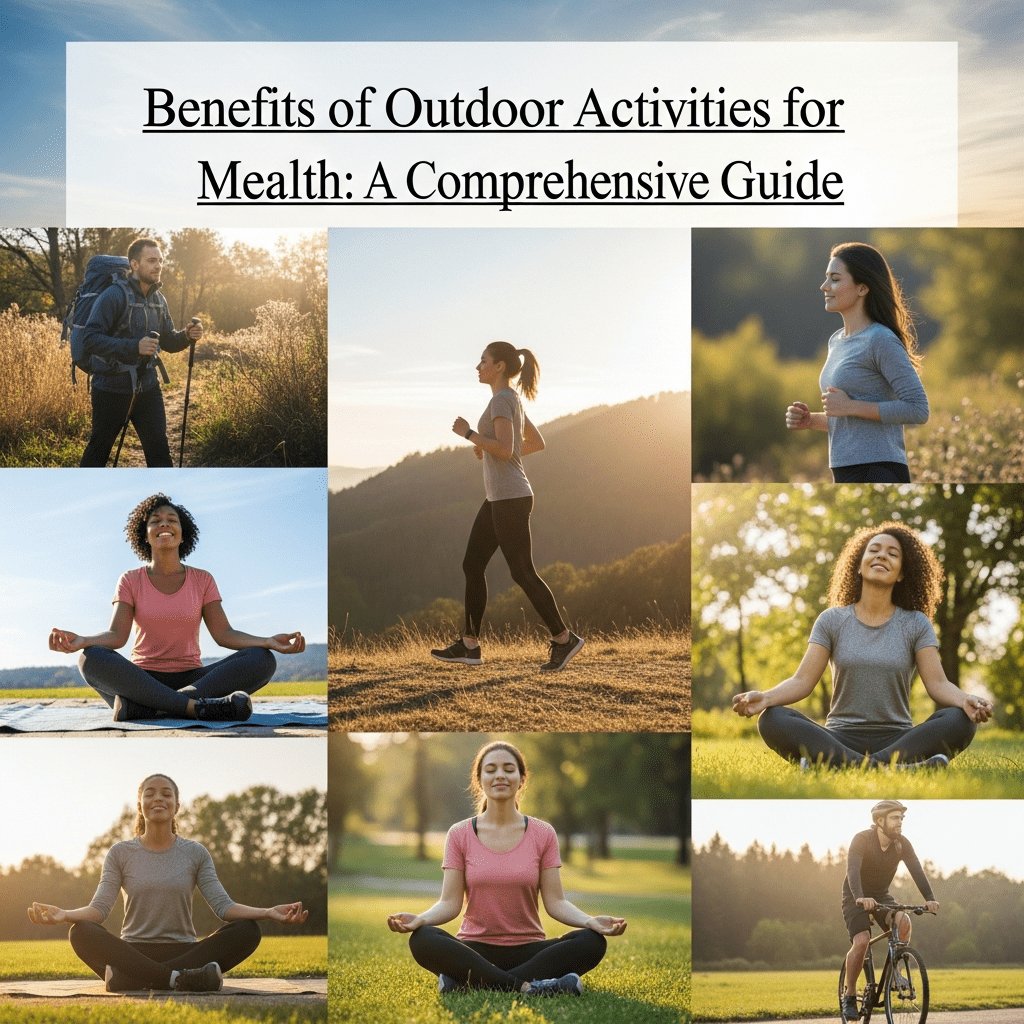
You do not need to climb a mountain, join an expensive fitness class, or travel to a forest. A walk along a quiet street, a few minutes of gardening, or sitting beneath a tree may be a more realistic place to begin.
Simple outdoor activities for stress relief combine two useful ideas: spending time in natural surroundings and doing something manageable with your body or attention. Research suggests that nature-based activities and physical movement can support mental well-being, although the size and reliability of the benefits vary between studies.
The important point is that outdoor time should not become another demanding task on your schedule. Choose an activity that fits your energy, available time, physical ability, and surroundings.
This guide explains ten accessible activities, what current research suggests, how to build a routine, and which common mistakes to avoid. It also explains when outdoor activities may complement professional mental health care rather than replace it.
Quick Answer: What Are the Best Simple Outdoor Activities for Stress Relief?
Walking in a green space, gardening, sitting beneath a tree, cycling at a comfortable pace, outdoor stretching, birdwatching, and eating a meal outside are practical options for many people.
These activities may help by encouraging movement, directing attention away from ongoing worries, creating opportunities for relaxation, and supporting social connection. Some benefits may come from physical activity itself, while others may be associated with the natural environment.
There is no single activity or duration that works for everyone. Begin with five to ten minutes if that feels manageable, and gradually develop a routine you enjoy.
Key Takeaways
- Outdoor activities may help reduce feelings of stress and support emotional well-being.
- You do not need to exercise intensely or visit a remote natural area to begin.
- Walking, gardening, outdoor mindfulness, and quiet observation are accessible starting points.
- Research published in 2025 and 2026 supports the potential value of nature-based interventions, but differences between studies limit certainty about which approach works best.
- Small, repeatable habits are often more realistic than ambitious routines that are difficult to maintain.
- Outdoor activities can complement mental health treatment but should not replace necessary professional care.
What Does Research Say About Nature and Stress Relief?
The connection between nature and mental well-being has received growing scientific attention. Researchers have studied green spaces, forest environments, gardening, outdoor exercise, and structured nature-based programs.
The evidence is encouraging, but it needs to be interpreted carefully.
A 2026 systematic overview and second-order meta-analysis examined 116 systematic reviews and included 30 reviews in its quantitative synthesis. The authors reported that nature-based interventions were associated with reductions in negative outcomes, including anxiety and depressive symptoms, as well as improvements in positive outcomes such as relaxation. However, many underlying studies used passive control groups, and the interventions differed considerably. These limitations make it difficult to determine whether nature-based programs outperform every alternative approach.
Read the 2026 Nature and Human Behavior research on nature-based interventions.
A 2025 systematic review of nature-based interventions also examined the different forms of these programs and the factors that may influence their effectiveness. Such research helps explain why gardening, nature walks, and organized outdoor programs should not automatically be treated as identical interventions.
There are also important differences between nature exposure and physical exercise. A person may benefit from walking outdoors because they move more, because they spend time in a natural setting, or because both happen together.
The World Health Organization’s physical activity guidance recognizes that regular physical activity can reduce symptoms of anxiety and depression and support overall well-being.
The practical conclusion is straightforward: outdoor activities are promising tools for everyday well-being, but they are not guaranteed treatments for stress or mental illness.
10 Simple Outdoor Activities for Stress Relief
1. Take a Relaxed Walk in a Green Space
Walking is one of the easiest outdoor activities to adapt to your routine. You can walk in a park, along a tree-lined street, around a garden, or through a quiet residential area.
You do not need to maintain a particular speed. The goal is to move comfortably while giving yourself a break from your usual environment.
Try this simple approach:
- Walk at a pace that allows you to speak comfortably.
- Notice the trees, plants, sky, and sounds around you.
- Put away unnecessary phone notifications.
- Choose a familiar, accessible route if you feel tired or anxious.
A short walk can also interrupt a long period of sitting. According to the CDC’s updated physical activity guidance, even a single session of moderate-to-vigorous activity can provide immediate benefits, including reduced short-term feelings of anxiety in adults.
Practical insight: If you find it difficult to start walking, connect it to an existing habit. For example, take a short walk after lunch or before returning home from work. Linking a new activity to a familiar routine can make it easier to remember.
2. Spend Time Gardening
Gardening gives your attention a practical focus. Watering plants, removing weeds, filling pots with soil, or growing herbs can provide a gentle activity without requiring formal exercise.
You can start with a single pot of mint, coriander, basil, or another plant suited to your local conditions. A large garden is not necessary.
Gardening may be useful because it combines light movement, sensory engagement, and a visible task. Watching a plant grow can also provide a sense of continuity and achievement.
A 2025 review of nature-based interventions discussed approaches that include horticultural activities and green exercise. The research supports further interest in these approaches, although outcomes differ by program and study design. See the 2025 systematic review of nature-based interventions.
For a simple starting routine, spend ten minutes checking your plants. Notice the soil, leaves, and changes in growth rather than trying to complete every gardening task at once.
Safety tip: Wear gloves if needed, use suitable tools, and avoid prolonged bending if it causes pain. If pollen or particular plants trigger allergies, choose alternatives that suit you.
3. Sit Under a Tree or in a Quiet Garden
Not every useful outdoor activity needs to involve movement.
If you feel physically tired, try sitting in a shaded garden, on a park bench, or on a balcony with plants. Give yourself permission to pause without needing to achieve anything.
You might notice the movement of leaves, the changing light, distant sounds, or the temperature of the air. This is a simple form of attention-based outdoor relaxation.
The mental health charity Mind’s guidance on nature and mental health describes how activities such as spending time in green spaces, gardening, and being outdoors may support mood and relaxation.
You do not have to force yourself to feel peaceful. If your mind continues to wander, simply notice that and return your attention to your surroundings when you are ready.
4. Try Gentle Outdoor Stretching
Long periods of sitting may leave your shoulders, back, hips, and legs feeling stiff. Gentle stretching outside can provide a movement break while changing your surroundings.
Choose a stable, comfortable place. You might try shoulder rolls, gentle neck movements within a comfortable range, calf stretches, or easy standing mobility exercises.
Keep the movements controlled and avoid bouncing into a stretch. Stop if an exercise causes sharp pain, dizziness, or unusual symptoms.
The potential value of this activity comes partly from movement and partly from the opportunity to pause. Outdoor stretching is not a special cure for stress, but it can become a convenient transition between work and the rest of your day.
If you have a medical condition, a recent injury, balance difficulties, or movement restrictions, adapt the activity to your needs and seek professional advice when appropriate.
5. Go Birdwatching or Notice Small Details in Nature
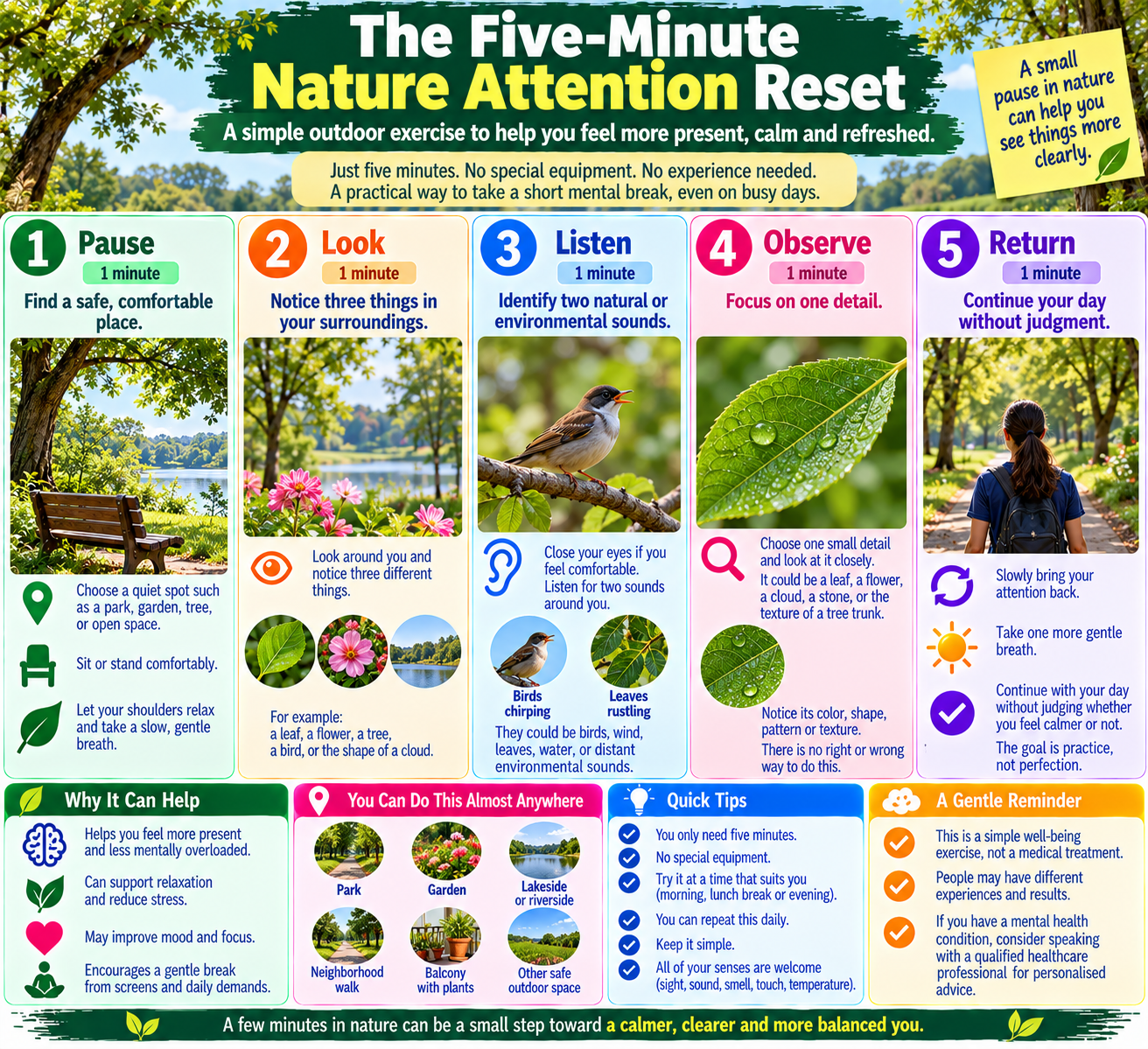
Birdwatching can be as simple as observing birds from a window, balcony, garden, or nearby park.
You do not need binoculars or specialist knowledge. Look for movement, colors, calls, and differences between the birds you see.
If birds are not common in your area, choose another focus. You could notice different leaves, clouds, flowers, insects, or patterns of light.
This activity provides a useful alternative to trying to force your mind to stop worrying. Instead, you give your attention something concrete and interesting to explore.
Try the following five-minute exercise:
- Choose one natural detail to observe.
- Notice three things about it, such as shape, sound, or movement.
- If your attention returns to a worry, acknowledge it without criticism.
- Return to the observation whenever you feel ready.
This is not a substitute for therapy or a guaranteed method of controlling anxiety. It is a simple way to practice present-moment attention in an outdoor setting.
6. Cycle at a Comfortable Pace
Cycling may suit people who enjoy movement but find walking repetitive. You could ride on a designated cycle path, a quiet road, or another suitable route.
Start with a short journey and choose a pace that matches your fitness. You do not need to ride fast or travel a long distance to make the activity worthwhile.
Physical activity has established health benefits, including support for mental well-being. The WHO physical activity recommendations encourage adults to build regular movement into their lives and emphasize that doing some activity is better than doing none.
Cycling outdoors also involves traffic, road conditions, and balance, so safety matters. Wear a properly fitted helmet, use lights when necessary, follow local traffic rules, and choose a route appropriate to your ability.
If cycling feels intimidating, walking or sitting outside is a perfectly reasonable alternative.
7. Eat a Meal or Drink Tea Outdoors
A meal outside can turn an ordinary break into a deliberate pause.
You might eat breakfast on a balcony, have lunch in a garden, or drink tea in a shaded outdoor seating area. The activity is particularly practical for people who work indoors and cannot easily schedule a separate exercise session.
Instead of scrolling through your phone while eating, notice the taste, smell, and texture of the food. Allow yourself to finish the break before immediately returning to work.
There is no need to treat outdoor eating as a strict mindfulness exercise. The aim is to create a manageable period of rest.
Choose clean, comfortable surroundings and keep food protected from insects, dust, and excessive heat. If the weather or outdoor air quality is poor, eat indoors instead.
8. Take a Slow Nature Photography Walk
You do not need an expensive camera. A phone is enough to explore this activity.
Choose a short route and look for details that usually escape your attention. These might include reflections in water, unusual leaf patterns, shadows, flowers, or changing colors in the sky.
Taking photographs can give the walk a purpose without turning it into a fitness challenge. You may find it particularly appealing if you enjoy creativity but do not want to participate in organized sports.
One useful rule is to take a few photographs and then put the phone away for part of the walk. This helps you experience your surroundings rather than concentrating entirely on the screen.
The activity is optional, not a requirement for receiving mental health benefits. If photography makes you more distracted or pressured, simply observe your surroundings instead.
9. Join a Gentle Outdoor Group Activity
Outdoor time can also create opportunities for social connection.
Consider a community gardening group, a casual walking club, an outdoor yoga class, or a recreational activity with friends. Choose something that feels welcoming rather than competitive.
Social activities may be especially helpful if stress has led you to withdraw from other people. A regular meeting can provide structure and a reason to leave the house.
However, outdoor activities do not always need to be social. Some people prefer quiet time alone, and others may find groups stressful. Choose the format that suits your circumstances.
Mind’s practical guide to getting started with nature discusses barriers such as low motivation, safety concerns, and feeling uncomfortable in unfamiliar spaces. Planning a familiar route or asking a trusted person to join you can make the first step easier.
10. Watch the Sunrise, Sunset, or Night Sky Safely
Observing the sky is an accessible activity that requires little equipment. You can watch changing clouds, the evening light, or visible stars from a safe outdoor location.
Use the activity as a quiet pause rather than a test of whether you can eliminate every stressful thought.
For some people, a regular evening outdoor break can become a transition between work and home responsibilities. Others may prefer a morning walk or time in a garden during daylight.
Avoid looking directly at the sun. Choose a safe location, check local conditions, and take precautions against heat, cold, insects, and other environmental hazards.
If going outside at night feels unsafe, choose a balcony, enclosed garden, or another suitable place instead.
Which Outdoor Activity Should You Choose?
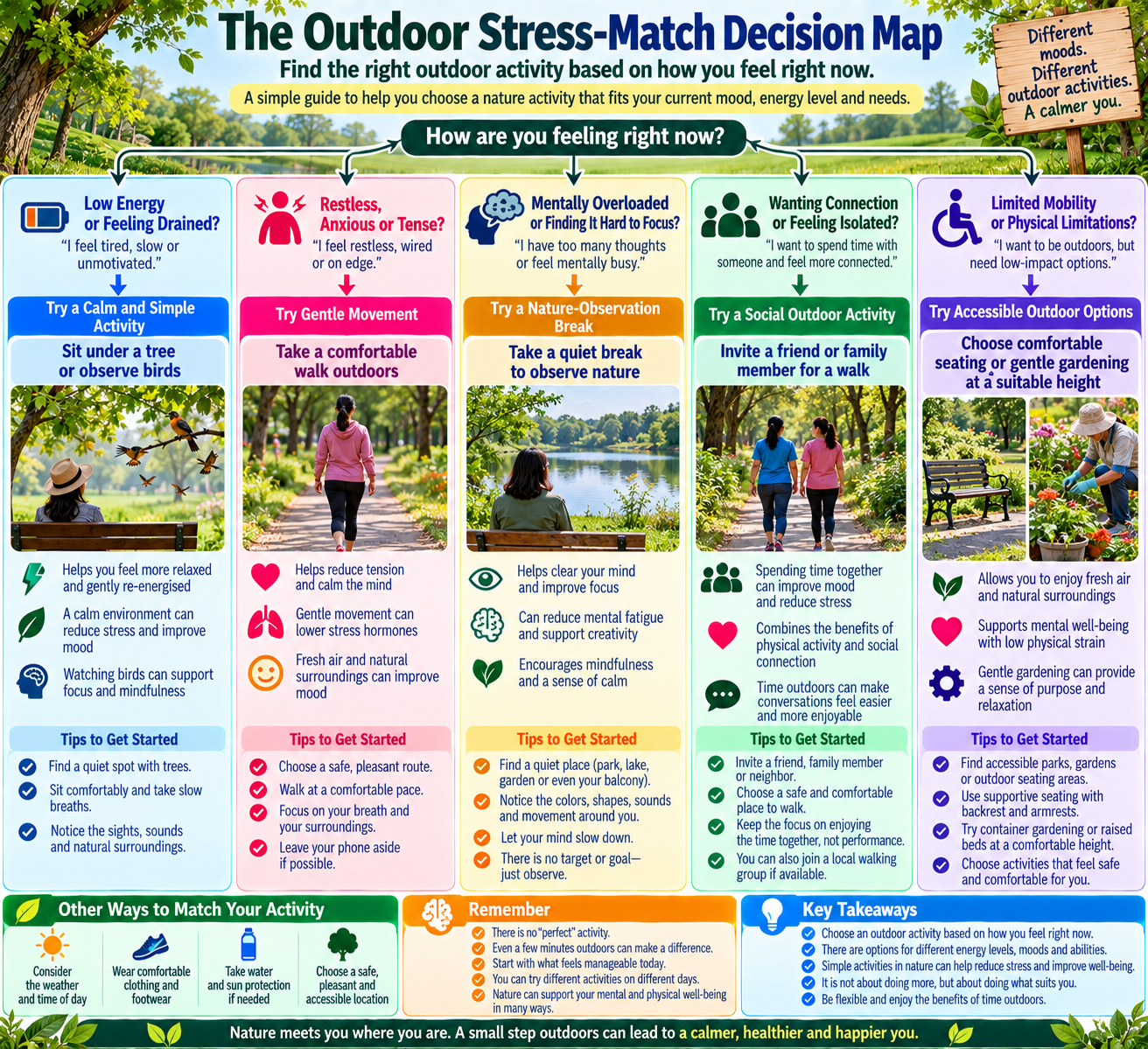
The most useful activity is one that fits your needs and that you can repeat without creating unnecessary pressure.
| Your situation | Activity to try | Practical starting point |
|---|---|---|
| You feel mentally overloaded. | Quiet walk in a green space | Walk for 5–10 minutes. |
| You have little energy. | Sit in a garden or shaded area. | Take a short, comfortable pause. |
| You spend most of the day sitting. | Gentle outdoor stretching | Move for a few minutes between work periods. |
| You enjoy plants. | Gardening | Care for one or two pots |
| You want a creative activity. | Nature photography | Photograph a few natural details. |
| You feel socially disconnected. | Group walk or community gardening | Try one welcoming activity. |
| You dislike formal exercise. | Birdwatching or observing the sky | Spend a few minutes noticing your surroundings. |
| You enjoy aerobic exercise. | Walking or cycling | Start at a comfortable pace. |
| You have limited outdoor access. | Balcony plants or a safe courtyard | Use the space available to you. |
You do not need to try every activity. Pick one that feels achievable, then adjust it according to your experience.
A Simple 7-Day Outdoor Stress-Relief Plan
A routine can be easier to maintain when it is flexible. The following plan is a starting point rather than a medical prescription or a requirement to spend a particular number of minutes outdoors.
| Day | Activity | Suggested starting time |
|---|---|---|
| Monday | Comfortable walk | 5–10 minutes |
| Tuesday | Water plants or do light gardening. | 5–10 minutes |
| Wednesday | Sit outside and observe nature. | 5 minutes |
| Thursday | Gentle outdoor mobility | 5–10 minutes |
| Friday | Walk while noticing natural details. | 10 minutes |
| Saturday | Try a group activity or nature photography. | 10–20 minutes |
| Sunday | Repeat your favorite activity. | As comfortable |
If you miss a day, continue when convenient. You do not need to make up for missed time.
How to Build the Habit Without Losing Motivation
Connect outdoor time to an existing routine. You might walk after breakfast, water plants before dinner, or sit outside during a work break.
Prepare for predictable barriers. Keep comfortable footwear near the door, identify a nearby route, or choose an outdoor space that does not require travel.
Record how you feel without demanding a result. You could note your mood before and after an activity, your energy level, or whether you found it enjoyable. This is a personal observation, not a clinical measurement.
Adjust the activity to your circumstances. If a longer walk feels difficult, shorten it. If the weather is uncomfortable, move indoors or choose another time.
The goal is to make outdoor time a supportive part of daily life, not another standard against which you judge yourself.
Why Outdoor Activities May Help Relieve Stress
Several factors may explain why spending time outside can be useful. These mechanisms overlap, and researchers have not established that every person experiences the same effects.
1. They provide a break from everyday demands.
A change of environment may help you step away from work tasks, household responsibilities, or repetitive screen use. That pause can create space to reflect before returning to a problem.
This does not mean that every stressful situation disappears when you leave the room. Outdoor time is better viewed as a possible coping tool than as a complete solution.
2. They can combine movement with relaxation.
Walking, cycling, and gardening involve physical activity. Exercise itself has recognized mental health benefits, including reduced anxiety symptoms and improved sleep.
The CDC’s physical activity guidance explains that some benefits can occur soon after a session of activity. However, a particular outdoor activity should not be assumed to produce the same result for everyone.
3. Natural surroundings give attention to something to explore.
Leaves moving in the wind, birds calling, or changing light may offer gentle points of interest. Some researchers suggest that natural environments can support recovery from mental fatigue, but the exact processes and their importance vary.
The evidence does not establish that nature exposure always improves concentration or that a specific number of minutes is necessary.
4. Shared activities can support social connection.
Walking with another person or joining a gardening group may create opportunities for conversation and a sense of belonging.
These benefits depend on the experience. A competitive group or uncomfortable social setting may add stress rather than reduce it.
5. Regular routines may support well-being.
A short outdoor break can provide structure to a day that otherwise feels dominated by obligations. Pairing it with a familiar habit may make it easier to repeat.
The benefit may come from several factors working together rather than from nature alone.
Latest Research: What the Evidence Can and Cannot Tell Us
A useful health article should discuss not only positive findings but also their limitations.
A 2026 systematic overview and second-order meta-analysis reported improvements in several outcomes across research on nature-based interventions. However, the authors highlighted differences between studies and the predominance of passive control groups. The findings support further investigation, not a claim that outdoor activities are universally effective.
A 2025 systematic review and meta-analysis published in BMJ Open examined nature-based health interventions among adults experiencing stress or living with anxiety or depression. It evaluated both outcomes and the quality of evidence, illustrating why conclusions should account for study design and certainty.
Other research has been more cautious. A 2024 systematic review of nature-exposure therapies found limited support for using such interventions as a primary approach to reducing stress, anxiety, or depression, partly because results differed across the studies reviewed.
These findings are not necessarily contradictory. Research may examine different activities, populations, durations, comparison groups, and outcome measures. A structured nature-based program for people receiving mental health care is also different from a person taking a brief walk during lunch.
What readers should take from this: outdoor activities are reasonable, accessible options to explore for everyday well-being. They should not be marketed as guaranteed cures, and researchers still need better long-term studies to establish which approaches are most effective for different people.
Practical Ideas for People Who Have Limited Time or Outdoor Access
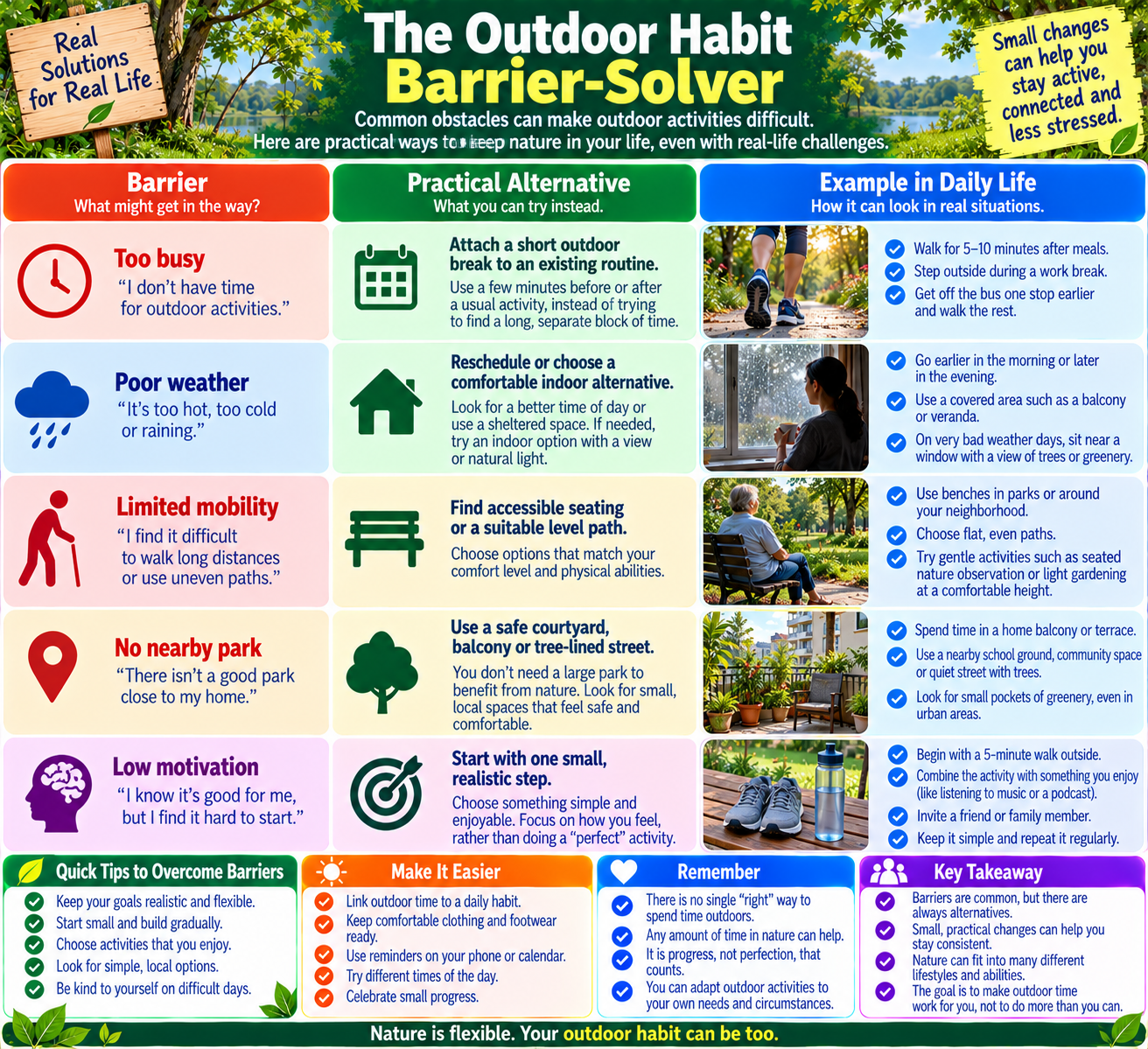
Not everyone has a nearby park, private garden, safe walking route, or flexible schedule. These limitations should not make outdoor well-being feel out of reach.
If you live in a busy city
Look for a small public garden, tree-lined street, courtyard, or other safe green space. You do not need a large forest to begin.
If traffic noise is unavoidable, choose a quieter time of day or a route away from the busiest roads when possible.
If you have only five minutes
Step outside, look at your surroundings, and take a few comfortable breaths without forcing them. You could also water a plant or walk a short distance.
Five minutes is a practical starting point, not a scientifically established minimum dose for treating stress.
If you have limited mobility
Consider an accessible garden, a level paved path, a suitable balcony, or a comfortable outdoor seating area. A person who cannot walk may still enjoy natural light, plants, sounds, and other features of an outdoor environment.
Choose activities that fit your ability and support needs. If accessibility is a concern, check the route and seating before travelling.
If you feel too tired to go outside
Reduce the task until it feels manageable. You might sit near an open doorway or spend a few minutes caring for a plant in an accessible outdoor space.
The Mind guide to getting started with nature offers practical suggestions for people who struggle with motivation, confidence, or access.
If low energy or loss of interest persists and affects daily life, consider speaking with a healthcare professional rather than assuming that you simply need more outdoor time.
Common Mistakes That Can Make Outdoor Stress Relief Less Useful
Expecting immediate results
Some people feel refreshed after an outdoor break, while others notice little change. Do not treat a single experience as proof that an activity will or will not work for you.
Turning relaxation into a demanding workout
You do not need to walk farther, cycle faster, or complete more tasks each day. A gentle activity can be appropriate when your aim is to take a break rather than improve athletic performance.
Using an arbitrary time target
There is no universal evidence-based rule that everyone must spend exactly 20 minutes outside to receive mental health benefits. Choose a realistic duration and adjust it to your circumstances.
Ignoring weather and environmental conditions
Extreme heat, high pollution, unsafe routes, and dehydration can undermine an otherwise useful activity. Check conditions before going out and change your plans when needed.
Comparing your experience with someone else’s
An activity that helps a friend may not suit you. Your health, schedule, preferences, and surroundings all influence whether a routine is practical.
Treating nature as a replacement for mental health care
Outdoor activities may support well-being, but persistent anxiety, depression, severe stress, or impaired daily functioning may require professional assessment and treatment.
Safety Tips for Outdoor Activities
A comfortable and safe setting is more important than completing a particular activity.
- Check the weather: Avoid strenuous activity during extreme heat and seek shade when necessary.
- Stay hydrated: Carry water when conditions or activity duration make it appropriate.
- Consider air quality: If pollution is high, reduce outdoor exertion or choose an indoor alternative.
- Use sun protection: Wear suitable clothing and use sunscreen when appropriate.
- Choose a safe route: Consider traffic, lighting, uneven ground, and personal security.
- Adapt for your health: If you have balance problems, mobility limitations, or a medical condition that affects exercise, choose suitable activities and ask a healthcare professional when necessary.
- Stop when something feels wrong: Chest pain, faintness, severe breathlessness, or other unusual symptoms should not be ignored.
Outdoor activities should make your routine more manageable, not expose you to avoidable risks.
When Should You Seek Professional Help for Stress?
Everyday stress is common, but not every mental health concern can be managed through lifestyle changes alone.
Consider speaking with a qualified healthcare or mental health professional if stress or anxiety persists, interferes with sleep, affects relationships, reduces your ability to work, or makes everyday responsibilities difficult.
Seek appropriate help if you experience persistent low mood, loss of interest, or other symptoms that concern you. Outdoor activities may be included in a broader well-being plan, but they should not delay an assessment or recommended treatment.
If you are in immediate danger or feel unable to keep yourself safe, contact local emergency services or a trusted person who can help you obtain urgent support.
Frequently Asked Questions
1. What are the best simple outdoor activities for stress relief?
Walking in a green space, gardening, sitting outside, birdwatching, gentle stretching, and eating a meal outdoors are practical options. The best choice is one that feels safe, enjoyable, and realistic for your circumstances.
2. How long should I spend outdoors to reduce stress?
Start with a few minutes if that is what you can manage. There is no universal duration guaranteed to reduce stress for everyone. You can gradually increase your outdoor time if you enjoy it and it fits your routine.
3. Can outdoor activities help with anxiety?
They may help some people manage everyday tension and anxiety symptoms. Research on nature-based interventions is encouraging, but results vary. Outdoor activities should not replace professional assessment or treatment when anxiety is persistent or severe.
4. Is walking in a park better than walking indoors?
A park combines movement with exposure to a natural environment, which some people find restorative. Indoor walking also provides physical activity. Current evidence does not establish that outdoor walking is always better for every mental health outcome or every individual.
5. Can gardening improve mental well-being?
Gardening may support well-being through gentle movement, attention, and engagement with plants. Research on horticultural and other nature-based programs is promising, but benefits depend on the person and activity.
6. What if I do not have a garden or nearby park?
Try a safe courtyard, accessible outdoor seating area, tree-lined street, or balcony with plants. If outdoor access is difficult, other enjoyable activities and appropriate mental health support remain valuable options.
7. Can outdoor activities replace therapy or medication?
No. Outdoor activities may complement treatment, but they are not a substitute for therapy, medication, or other care recommended by a qualified healthcare professional.
8. Are outdoor activities safe for older adults?
Many older adults can enjoy adapted outdoor activities, such as gentle walking, gardening, or sitting in a safe outdoor area. Choose accessible surfaces, consider fall risk and weather, and seek individual medical advice when necessary.
9. Is sunlight necessary for the mental health benefits of nature?
No single feature of nature has been established as necessary for everyone. Outdoor settings offer different experiences, including movement, visual interest, and social opportunities. Avoid excessive sun exposure and follow appropriate sun-safety advice.
10. What should I do if spending time outdoors does not improve my mood?
You have not failed. Different approaches work for different people, and one activity may not produce a noticeable change. Try another enjoyable option if you wish, and seek professional help if symptoms persist or affect your daily life.
Conclusion: Make Outdoor Time a Realistic Part of Your Routine
Simple outdoor activities for stress relief can offer a practical way to introduce movement, quiet observation, and time away from everyday demands. Walking, gardening, sitting in a green space, and other accessible activities may support well-being without requiring expensive equipment or complicated plans.
Research published in 2025 and 2026 provides encouraging evidence for nature-based interventions while also highlighting differences in study quality and the need for more robust research. That balanced conclusion matters: outdoor activities can be useful, but their effects are not guaranteed and they do not replace mental health care.
Start with one activity that fits your life. Try it at a comfortable pace, notice how you feel, and adjust the routine as needed. Consistency is useful when it makes the habit easier to maintain, not when it becomes another source of pressure.
The aim is not to force yourself to feel better every time you step outside. It is to create an accessible opportunity for movement, attention, and rest that you can return to when it suits you.
Author Note
Author: RVLNSV PRASAD
This article provides general educational information about outdoor activities, stress management, and mental well-being. It draws on published research and guidance from established health organizations. It is not a substitute for individual medical or psychological advice.
For stronger first-hand credibility, add a short personal account only if it reflects your actual experience. Describe the activity you tried, the practical barrier you faced, and what you genuinely noticed. Avoid claiming that your experience proves a treatment works for everyone.
Medical Disclaimer
This article is for informational purposes only. It does not diagnose, treat, or prevent any medical or mental health condition. Nature exposure and outdoor activities may complement a broader health plan, but they are not substitutes for professional assessment, psychotherapy, medication, or other recommended care. Consult a qualified healthcare professional about persistent symptoms or concerns.
Fitness Disclaimer
Choose outdoor activities according to your current fitness, mobility, health conditions, and local environment. Start gradually, use suitable footwear and equipment, stay hydrated, and avoid unsafe weather or air-quality conditions. Stop if you experience unusual or severe symptoms and seek appropriate medical advice.
Sources and Further Reading
- World Health Organization — Physical Activity
- World Health Organization—Guidelines on Physical Activity and Sedentary Behavior
- Centers for Disease Control and Prevention — Benefits of Physical Activity
- 2026 Nature and Human Behavior—Systematic Overview and Second-Order Meta-Analysis of Nature-Based Interventions
- 2025 BMJ Open — Nature-Based Health Interventions for Anxiety, Depression, and Stress
- 2025 Frontiers in Psychology — Nature-Based Interventions: A Systematic Review of Reviews
- 2024 — The Effects of Nature Exposure Therapies on Stress, Depression, and Anxiety: A Systematic Review
- Mind—Nature and Mental Health
- Mind — How to Get Started with Nature
Related Content:
- 8 Rapid Hair Growth Herbals You Should Try
- 15 Ayurvedic Remedies for High Blood Pressure
- Aromatherapy for Stress Relief and Relaxation: A Comprehensive Guide
- Natural Remedies for Boosting Immunity with Plants: A Comprehensive Guide
- How Nature Walks Can Improve Physical Health: A Comprehensive Guide
- 7 Healing Herbs for Boosting Energy Naturally: A Comprehensive Guide
- Benefits of Outdoor Activities for Mental Health: A Comprehensive Guide
- Best Superfoods Revealed: Truth Behind Nutrient Powerhouses
- Check our Blog and Category page (Nature’s & Healing)
- 7 Effective Cardio Exercises for Weight Loss: The Ultimate Guide
- Home
- 10 Effective Treatments for Depression Without Medication
- 7 Natural Ways to Reduce Anxiety and Stress Daily: A Comprehensive Guide











[…] Benefits of Outdoor Activities for Mental Health: A Comprehensive Guide […]
[…] Benefits of Outdoor Activities for Mental Health: A Comprehensive Guide […]
[…] Benefits of Outdoor Activities for Mental Health: A Comprehensive Guide […]
[…] Benefits of Outdoor Activities for Mental Health: A Comprehensive Guide […]
[…] Benefits of Outdoor Activities for Mental Health: A Comprehensive Guide […]